Opening the Tricks of Tachometers: Everything You Need to Find Out About This Crucial Tool in Your Vehicle
Recognizing the complexities of tachometers can supply beneficial insights into your car's efficiency and maintenance demands. From determining engine rate to analyzing the information it provides, tachometers serve as a vital tool for vehicle owners and fanatics alike. By deciphering the enigmas behind this necessary instrument, you can open a wide range of information that can enhance your driving experience and make sure the longevity of your car.
Importance of Tachometers
The significance of tachometers exists in their ability to give essential real-time data about an engine's rotational speed, permitting for precise tracking and maintenance of equipment. By measuring the revolutions per min (RPM) of an engine's crankshaft, tachometers provide useful insights into the engine's efficiency - tachometer. This data is necessary for guaranteeing that the engine operates within its optimum array, staying clear of potential damages from over-revving or underperforming
Tachometers play a vital role in aiding drivers and professionals find any abnormalities in the engine's speed, which might suggest issues such as fuel inadequacy, mechanical problems, or extreme stress on the engine. By quickly identifying these issues through tachometer readings, maintenance can be carried out proactively, avoiding pricey fixings and downtime in the long run.
Additionally, tachometers are particularly vital in high-performance lorries and equipment, where specific control over engine speed is necessary for ideal operation. Racing automobiles, airplane, and commercial tools rely on tachometers to deliver peak performance while maintaining safety and security requirements. In significance, tachometers are not simply instruments for measuring rate but crucial tools for ensuring the smooth and effective operation of engines throughout numerous applications.
Just How Tachometers Procedure Engine Speed
Making use of sensing units that spot the regularity of electric pulses created by the engine's ignition system, tachometers precisely determine the rotational rate of an engine. By keeping an eye on the price at which these pulses are gotten, tachometers give real-time responses on exactly how quick the engine's crankshaft is revolving per min, typically referred to as changes per minute (RPM)
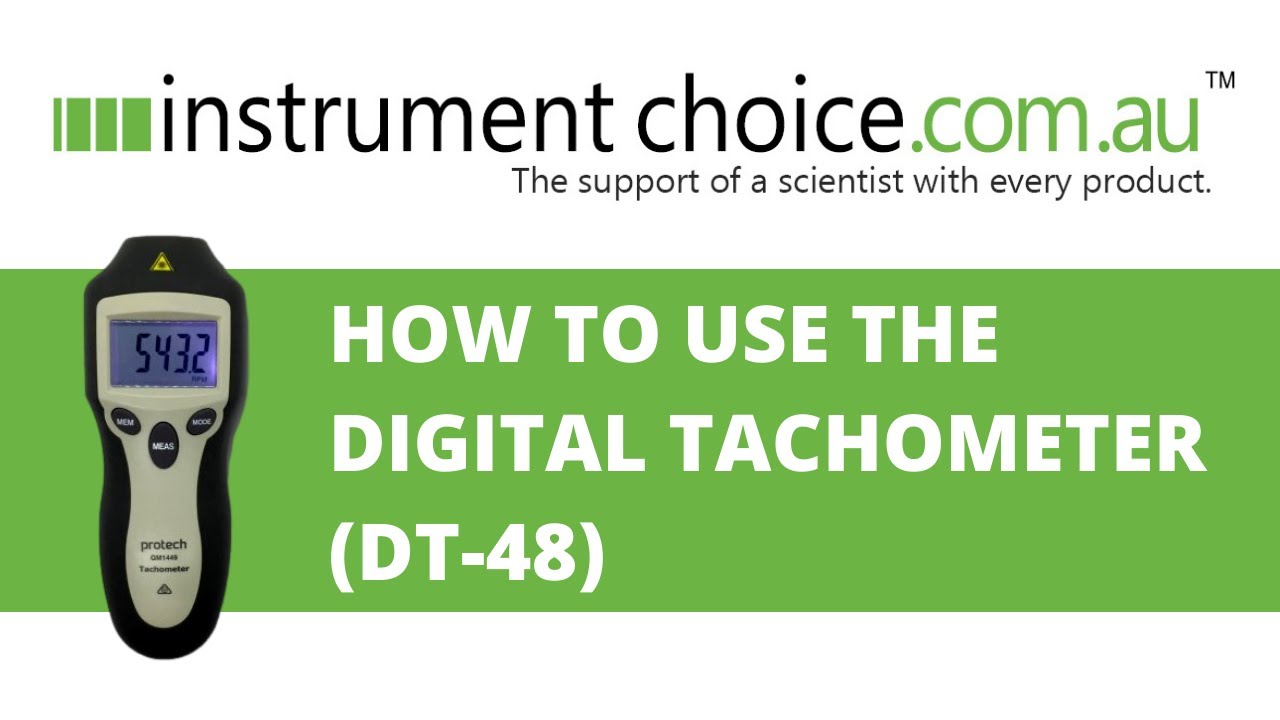
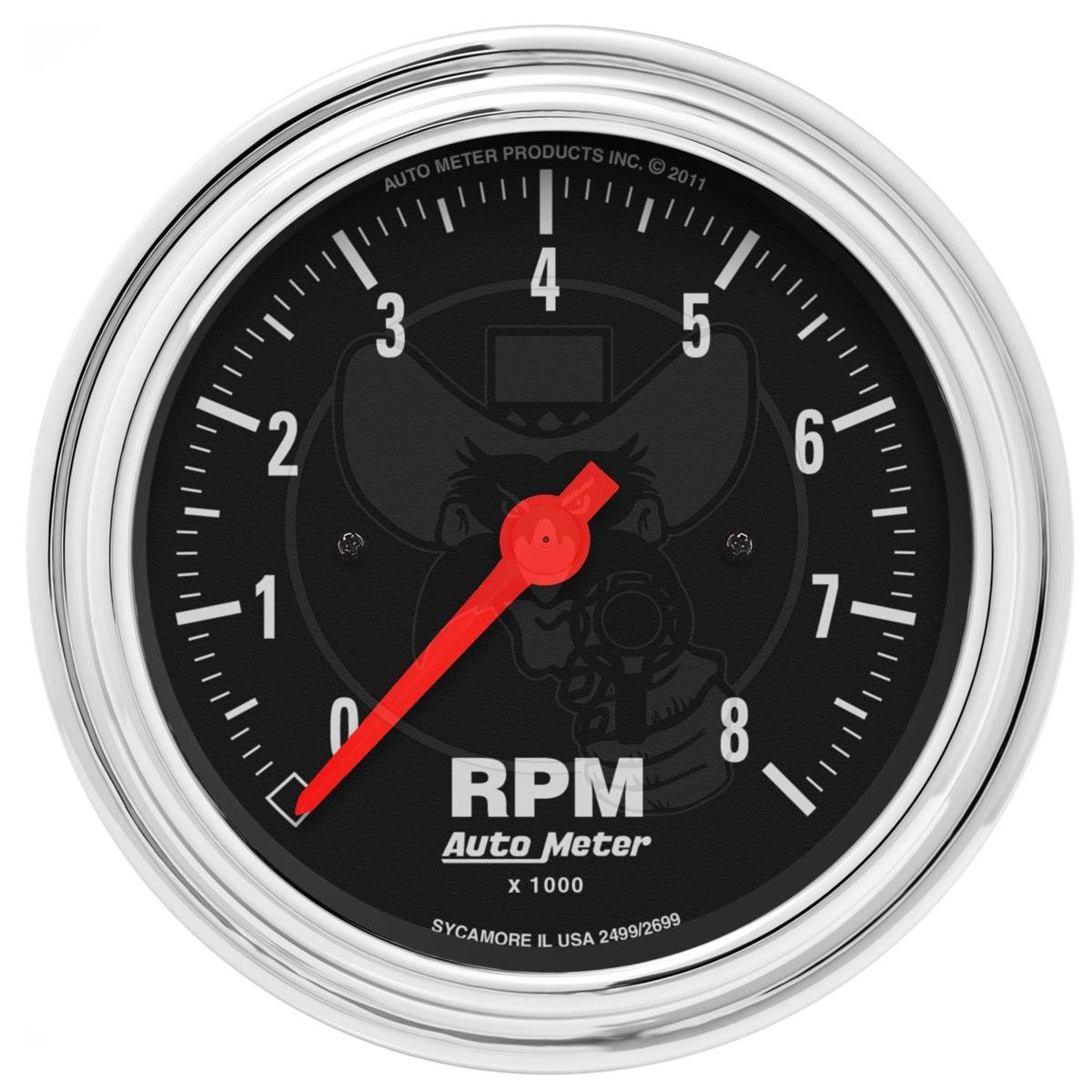
The tachometer's sensor, often attached to the engine's ignition coil or spark plug cords, gets the electric signals generated each time a cylinder fires. These signals are after that exchanged RPM analyses showed on the gauge or tool cluster within the driver's view. Tachometers can be analog or digital, with modern-day cars typically featuring electronic screens for specific and instant RPM analyses.
This info is important their explanation for motorists to understand the engine's performance, protect against over-revving, enhance equipment moving, and ensure efficient fuel consumption. By precisely measuring engine rate, tachometers play a vital function in helping vehicle drivers operate their vehicles safely and effectively.
Interpreting Tachometer Readings
Having a clear understanding of how tachometers measure engine rate establishes the structure for efficiently analyzing the RPM readings presented. Analyzing tachometer analyses is critical for optimum automobile efficiency and engine health and wellness. When the engine is idling, the tachometer needle generally relaxes around 600-1000 RPM, depending on the car.

Tips for Making Use Of Tachometers Properly
To enhance driving efficiency and maximize engine efficiency, what key techniques can be carried out for efficiently using tachometers? Tachometers are important devices that provide real-time comments on engine rate, allowing vehicle drivers to make educated choices for much better efficiency - tachometer. Below are some ideas for utilizing tachometers properly:
Recognizing Ideal RPM Variety: Acquaint on your own with the optimum RPM (Revolutions Per Min) range for your automobile. This variety differs between various cars and is typically indicated in the owner's handbook. Maintaining the engine within this variety can improve fuel effectiveness and extend the engine's life-span.
Shifting Equipments at the Right Time: Make use of the tachometer to figure out the best time to move gears. Goal to shift gears when the RPM gets to the optimal range for the following equipment.
Checking Engine Anxiety: High RPMs for Going Here prolonged periods can strain the engine. Watch on the tachometer to prevent over-revving, specifically throughout acceleration or when lugging hefty loads.
Tachometers and Automobile Upkeep
When considering lorry upkeep, tachometers play a critical role in keeping track of engine performance and finding possible concerns. Tachometers provide essential information on engine rate, enabling motorists and technicians to make certain that the engine is running within the advised RPM variety. Regularly checking the tachometer readings can aid identify problems such as engine misfires, damaged trigger plugs, or problems with the gas distribution system. By taking notice of the tachometer, vehicle drivers can protect against too much stress on the engine, which can cause costly fixings down the line.
In browse around here enhancement to discovering possible issues, tachometers can additionally help in optimizing fuel effectiveness. By keeping the engine speed within the optimum range, motorists can boost their gas mileage and decrease fuel intake. This not just benefits the vehicle driver's wallet however additionally adds to environmental preservation by lowering dangerous exhausts.
Conclusion
Comments on “Improve Your Driving Experience with a Trusted Tachometer”